What are wheel traps and how do they work in quantum ion control?
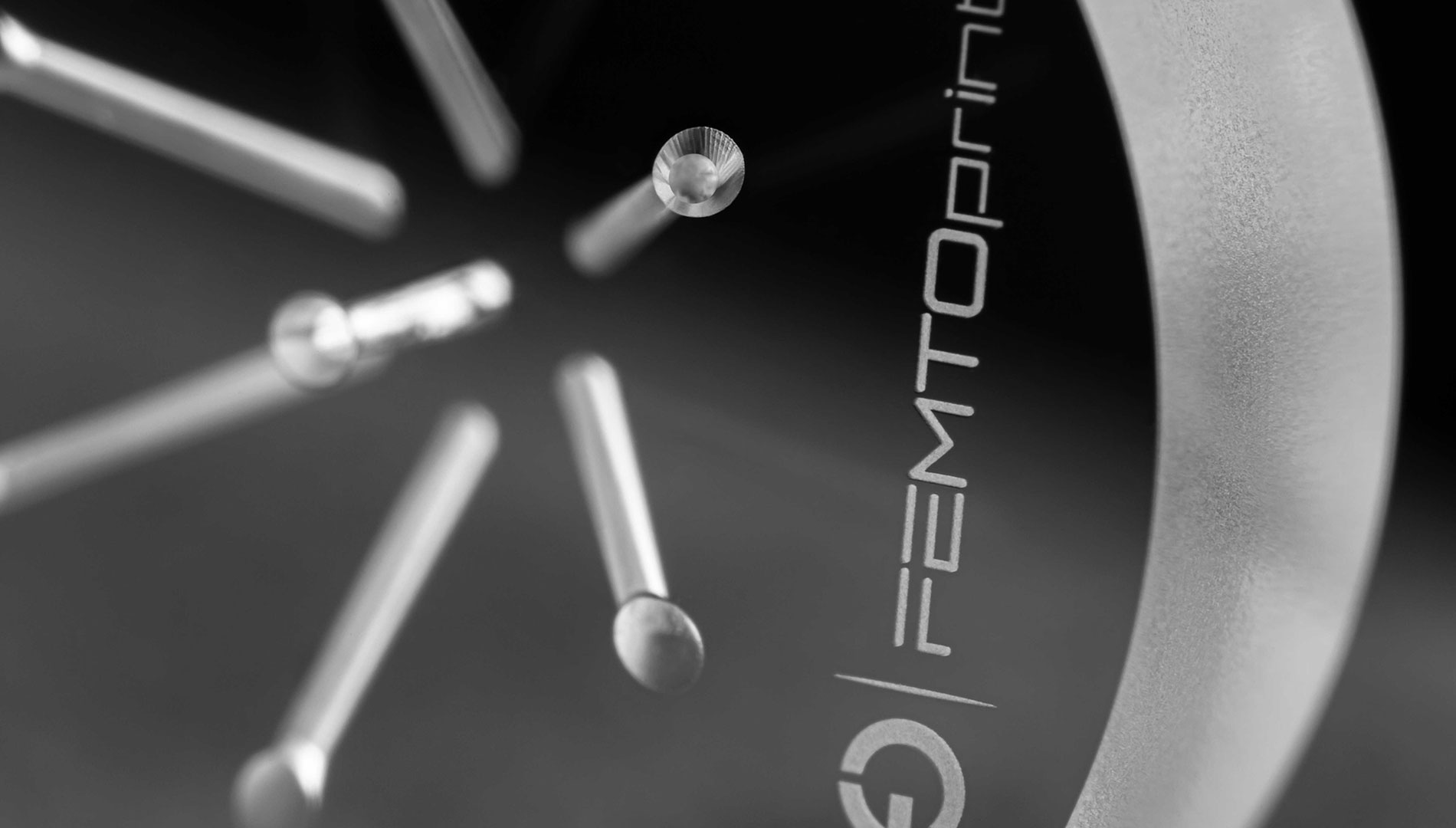
Wheel traps are advanced 3D ion confinement systems used in cutting-edge quantum technologies (QT). Their radial architecture, where electrodes are arranged in a wheel-like pattern, allows precise trapping of ions in vacuum environments. This makes them ideal for applications in quantum computing, quantum sensing, and quantum metrology.
What advantages do wheel traps offer over linear and surface ion traps?
Unlike linear or surface traps, wheel traps offer:
These features support the scalability and precision needed in quantum information processing (QIP).
How does FEMTOPRINT manufacture glass wheel traps using ultrafast laser micromachining?
Microfabrication with Ultrafast Laser Structuring.
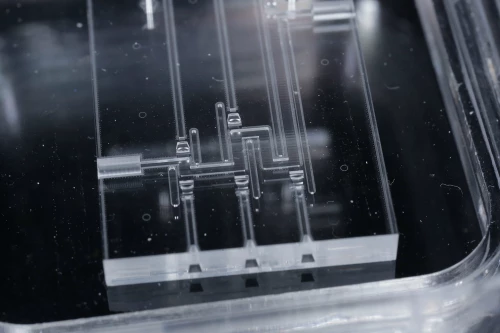
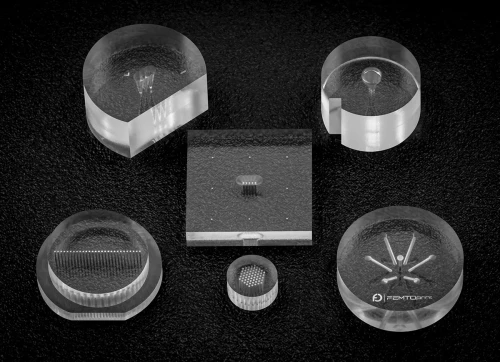
At FEMTOPRINT, wheel traps are manufactured via ultrafast laser micromachining (ULM) in fused silica (SiO₂). This monolithic fabrication ensures:
Why is fused silica glass the optimal material for wheel trap fabrication?
Glass Advantage for Quantum Platforms.
Using optical-grade glass like fused silica ensures:
What is the future of wheel traps in scalable quantum hardware?
Next-gen quantum systems will require modular ion trap arrays, interconnected by:
Wheel traps are a key enabler of scalable and reliable quantum hardware.
Thanks to high-precision glass microfabrication, platforms like those from FEMTOPRINT are setting new standards for the future of quantum-enabled devices (QED).
What precision applications require glass wheel traps?
Optimized for advanced optical atomic clocks, quantum sensors, and quantum cryptography, wheel traps require extreme manufacturing precision. FEMTOPRINT’s capabilities ensure accurate geometries, optical pathways to reduce uncertainties in experimental setups.
Contact us today to integrate high-performance wheel traps into your quantum experiments!
Related watchmaking applications: Discover more femtosecond laser glass micromachining solutions for horology, including Wheels and Main Plates and Bridges.