Reliable biosensors need microfluidic chips with precise surface functionalization and minimal interference. In addition, biosensors and chemical sensors require exact control of light-matter interaction.
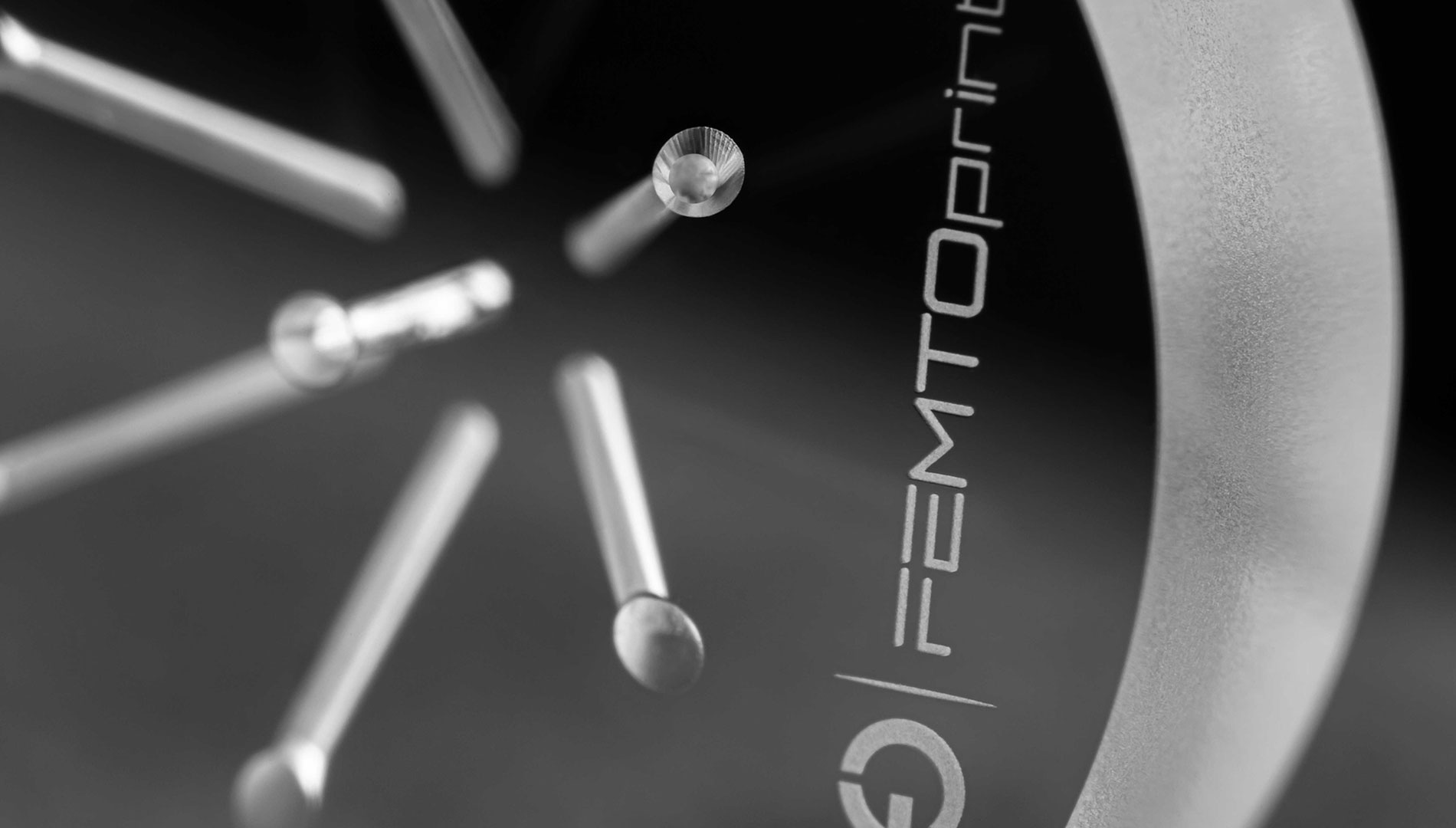
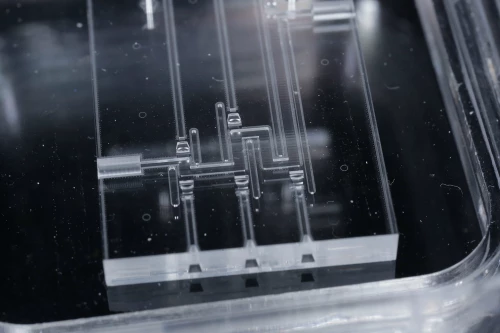
Our technology enables 3D integration of microfluidic channels, mirrors, and fiber alignment grooves in a single chip.
We solve:
You gain:
Integrated glass biochemical sensing platforms support point-of-care diagnostics, environmental and water-quality monitoring, food and pharmaceutical quality control, and label-free optical detection based on refractive-index, fluorescence and absorbance measurements.
Why use glass for biochemical sensing chips?
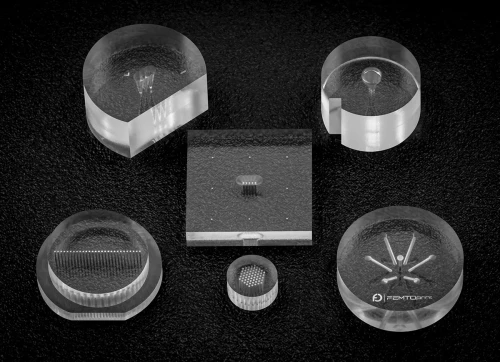
Glass offers optical transparency, chemical inertness and biocompatibility, allowing microfluidic channels, mirrors and fiber-alignment grooves to be integrated monolithically for high sensitivity and low optical loss.
Can optical and fluidic functions be combined on one chip?
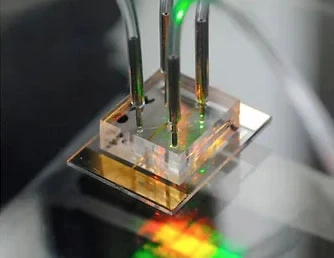
Yes. Femtosecond-laser 3D microfabrication integrates microfluidics and micro-optics in a single glass substrate, reducing assembly steps and improving signal-to-noise for sensitive detection.
Related life sciences applications: Discover more femtosecond laser glass micromachining solutions for life sciences, including Diagnostics, Antibody Isolation, and Single Cell Analysis.