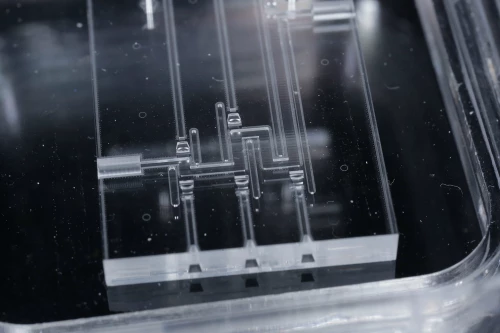
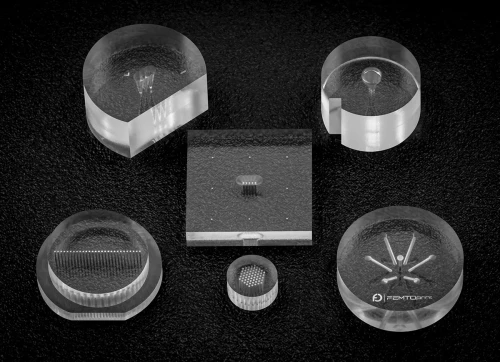
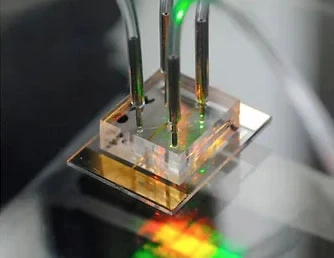
At the heart of this revolution is the Organ-on-Chip (OoC) technology—a microfluidic platform that replicates human organ functions with remarkable precision, transforming both preclinical testing and personalized medicine.
Within this landscape, the EU-funded PhotonMed project represents a pivotal initiative, aiming to accelerate the adoption of optical biosensing technologies integrated with OoC systems to enhance drug discovery processes.
The Role of Organ-on-Chip in Modern Drug Development
Organ-on-Chip systems are microengineered devices that recreate the physiological and biochemical properties of human tissues and organs, within a microscale platform. These devices serve as a more accurate, human-relevant alternative to traditional animal models and static cell cultures, enabling researchers to study disease mechanisms, evaluate drug efficacy, and assess toxicity with unprecedented fidelity.
Key application areas include:
Challenges and Opportunities in OoC Technologies
Despite their potential, several technical hurdles remain, particularly regarding real-time monitoring of cellular metabolic activity. Traditional methods involving invasive sampling or endpoint assays often fail to provide continuous or dynamic data, which limits the full potential of OoC platforms.
To address this, the PhotonMed project is pioneering advancements in non-invasive, optical biosensing methods—specifically leveraging near-infrared (NIR) and mid-infrared (MIR) spectroscopy coupled with Quantum Cascade Lasers (QCL). These technologies enable contactless, label-free detection of key metabolites like glucose, delivering high-resolution, continuous insights into cellular metabolism.
The PhotonMed Innovation: Contactless Glucose Monitoring
This project integrates photonics-based sensors into OoC platforms, allowing bi-directional, real-time monitoring of metabolic parameters without disrupting cell cultures. Such capability is crucial in disease modeling—particularly for metabolic disorders like diabetes—and enhances the predictive accuracy of preclinical testing.
By employing innovative transparent and biocompatible materials alongside advanced laser spectroscopy, the PhotonMed system enables precise, contactless measurement of glucose dynamics, creating a new standard in organ-on-chip biosensing.
Impact on Pharmaceutical and Biomedical Research
The applications of this integration are profound:
The PhotonMed initiative exemplifies the productive synergy between photonics, microfluidics, and biomedical sciences—driving forward the next generation of complex, predictive human tissue models.
Broader Context: EU Investment in Microphysiological Systems
The PhotonMed project is part of a wider EU strategy to standardize and scale-up organ-on-chip solutions, as highlighted by recent projects and research activities. Several initiatives aim to develop modular, scalable, and commercially viable OoC platforms capable of supporting large-scale clinical and industrial applications.
By establishing a robust ecosystem of research, development, and manufacturing, the European Union is positioning itself as a leader in microphysiological systems, with real-world impact in drug discovery, diagnostics, and regenerative medicine.